
Walk This Way
Walk This Way
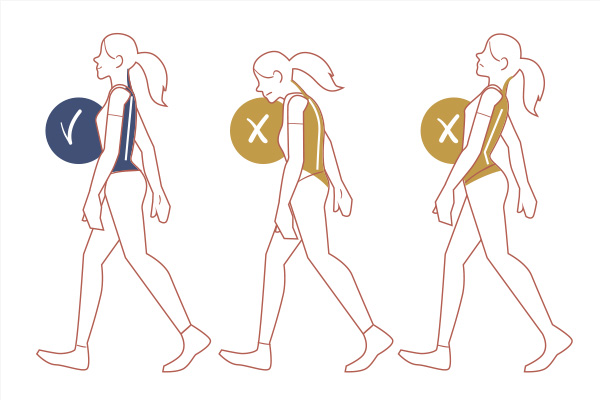
Source: https://specialistortho.com.sg/educational-resources/all-you-need-to-know-about-walking-gait/
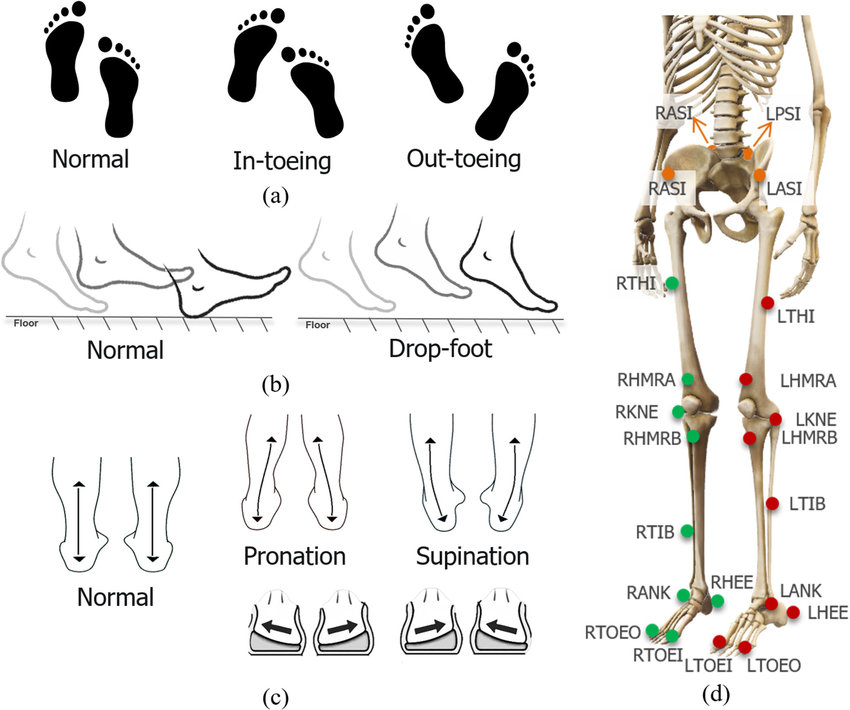
Let’s explore why your gait matters more than you think.
“Walking is a full-body conversation—your gait tells the story.” ~ a fictional character named Araragi from the Japanese anime series Monogatari.
Walking—your gait—is the most repetitive functional movement in your entire life. But many people don’t think about their walking pattern until something feels off: stiffness, uneven steps, fatigue, or that subtle “walking feels harder than it used to.”
Except gait isn’t just transportation. Gait is communication. It’s one of the clearest windows into how well your body is functioning. And just like your push-up, squat, hinge, lunge, rotation, pulling, and carrying patterns, gait is foundational for healthy aging, balance, stability, and injury prevention. So let’s break it down through the classical Pilates lens—and help you build a strong, healthy gait that supports you for decades.
What Is Gait? (Walking Biomechanics 101)
Your gait is the full-body movement pattern you use when you walk. It includes:
- foot mechanics and articulation
- ankle, knee, and hip alignment
- pelvic stability and hip mobility
- ribcage rotation
- arm swing and shoulder mechanics
- core control
- breath pattern
If that sounds like a lot, it is. Walking is whole-body Pilates in motion. Understanding gait is essential for improving balance, posture, mobility, and even longevity.
What Is the Purpose of a Gait? (Why Walking Form Matters)
At its core, gait exists to help you move efficiently through space.
A healthy gait:
- conserves energy
- absorbs impact
- protects your joints
- keeps you balanced
- adapts to terrain
- supports your posture
Your gait is meant to make life easier—not more exhausting.
Benefits of a Proper Gait (Especially for Aging Bodies)
Correct gait mechanics offer powerful benefits:
✔ Better balance & stability
Walking is built-in single-leg training. Perfect for fall prevention.
✔ Stronger glutes & hips
Healthy gait requires proper hip extension—your glutes doing what they’re meant to do.
✔ Less knee, hip, and low back pain
Efficient gait distributes load beautifully.
✔ More energy, less fatigue
No more “why does walking tire me out?” moments.
✔ Improved posture & alignment
A strong gait naturally organizes your spine and centerline.
✔ Better breathing and circulation
Fluid walking encourages fuller breath and oxygenation. For midlife and older adults, improving gait is one of the most impactful longevity tools you can invest in.
What a Proper Gait Looks Like (Healthy Walking Pattern)
A healthy walking pattern features:
- Heel → ball → toe foot articulation
- Strong, smooth push-off
- Natural hip rotation
- Level pelvis
- Soft ribcage rotation
- Oppositional arm swing
- Lifted, aligned spine
- Even cadence
- Easy, steady breath
It looks effortless because it is—when your body is working well.
What We Look for in the Form of a Gait (Teacher’s Eye View)
This is the kind of whole-body assessment Pilates is uniquely designed to support —whether it’s for gait analysis, balance training, or Pilates for healthy aging:
1. Foot Mechanics
Is the foot articulating, or slapping?
This affects everything upstream.
2. Push-Off Power
Glutes and hamstrings should propel you—not your back.
3. Pelvic Stability
Is the pelvis gliding or wobbling?
4. Hip Mobility & Extension
Healthy gait = hips that move.
5. Ribcage Rotation
Rotation = fluidity. No rotation = robot walk.
6. Arm Swing Mechanics
Oppositional swing improves balance.
7. Spinal Lift
A buoyant spine reduces impact forces.
8. Breath Pattern
Breath reveals effort, tension, and confidence.
9. Walking Rhythm
Even, smooth cadence means efficiency.
10. Ease
The hallmark of proper gait. It should look—and feel—easy.
How Do You Know If Your Gait Is Correct?
Here’s your quick self-check:
Healthy Gait Signs
Walking feels smooth and easy
- Arms swing naturally
- Feet roll through the step
- Stride is even
- No pain or fatigue
- You feel balanced
Signs Your Gait Needs Work
- You sway or wobble
- Feet slap the ground
- Stride is short or uneven
- One arm barely swings
- You walk stiffly or tilt forward
- Knees, hips, or back ache
- You avoid uneven ground
These aren’t “age problems.” They’re movement problems—and they’re fixable.
Where Gait Goes Wrong (And Why It Matters)
Common causes of gait dysfunction include:
- weak glutes → poor push-off
- tight hip flexors → limited stride
- stiff ankles → reduced foot mechanics
- frozen ribcage → robotic gait
- poor balance → shuffling
- sedentary habits → locked hips
- old injuries → long-term compensations
Pilates supports every one of these issues through strength, mobility, alignment, and coordination.
Pilates Exercises to Improve Gait (Mat & Reformer)
These classical Pilates exercises support strong, healthy gait mechanics:
Mat Exercises
- Single Leg Circles – hip mobility + pelvic stability
- Spine Twist / Saw – ribcage rotation
- Shoulder Bridge – glute & hamstring strength
- Swimming – back body coordination
- Standing Footwork / Tendon Stretch – foot & ankle mobility
Reformer Exercises
- Footwork – balanced lower body loading
- Running – direct gait patterning
- Long Stretch Series – full-body integration
- Stomach Massage – hip mobility + core lift
- Rowing / Pull Straps – posture + arm swing
- Side Splits / Single-Leg Skating – pelvic stability
These are gold for anyone wanting better posture, improved balance, and stronger walking mechanics.
Why You Should Train Your Gait (Motivation for the Aging Body)
If you care about:
- aging well
- preventing falls
- maintaining balance
- traveling with ease
- hiking confidently
- reducing pain
- staying independent
…then training your gait is non-negotiable.
It’s one of the most impactful forms of functional movement training for the second half of life. Your gait is one of the most healing, restorative movements you perform all day long.
Let’s make sure it’s serving you well
Your Invitation: Pay Attention to Your Walk Today
Just notice:
- Are your arms swinging?
- Are your feet articulating?
- Do you feel your glutes?
- Is your pelvis steady?
- Are you breathing?
- Does it feel easy?
Curiosity is the first step toward improvement. Pilates gives us the tools to make those improvements real.
Ready to Improve Your Gait? Let’s Work Together.
Whether you join me for private sessions, duets, virtual mat classes, gait training is naturally woven into everything we do.
You deserve to walk with:
- strength
- stability
- balance
- confidence
- and ease
for the rest of your life.
Let’s build a gait that supports the life you want to live—one step at a time.