
Classical, Connection, Consistency
Classical, Connection, Consistency
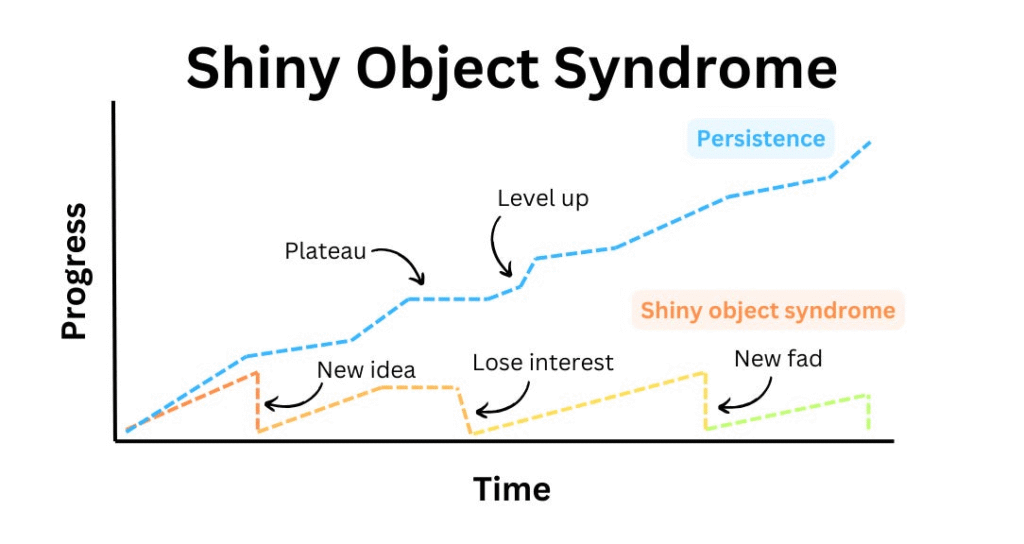
Source: https://bribahima.substack.com
Classical Pilates
Every few months, there’s a new fitness trend that takes over social media. A variation, or sometimes, a fusion of something that looks familiar, and yet new and shiny. Trends come and go, but you know what sticks around – the tried and true, the bread and butter. Why reinvent the wheel? And this is the Classical Pilates method that I teach, and absolutely love!
Every workout, every day, every time I practice, there’s a nugget that reveals itself in the method that tunes my body, that sharpens my awareness, that connects me more to me – from the top of my head all the way out to my fingers, and down to my toes. I love that there’s AN ORDER of exercises on the mat and reformer. Why? You can see which exercises are getting more accessible, which exercises you’re getting better at, and which exercises are challenging. You can see the stamina and endurance you’re building to maintain that zest to the end of the order.
And I love that there’s NO ORDER of exercises for the other apparatuses because this is where the personalization/customization/prescription of exercises for your body, on that day, at that time comes to fill in the gaps that you need. What strength did the body show? What was challenging to do on the mat or reformer? Where does the body need more strength? More flexibility? Where was the movement restrictive? Where was the body compensating? Where was the stability? Where was the mobility? Where does the body need more control?
Depending on the answers to those questions determines the apparatuses to go to next, as well as the exercises on those apparatuses to practice next. That’s the Classical system, the Classical method.
Connection
Sometimes people see the Pilates apparatuses and assume they’re outdated because they don’t look like the latest gym equipment. But here’s the thing. Springs provide something unique. They offer both support and resistance. They give feedback. They help people discover connections they might not feel otherwise.
The Reformer still teaches alignment.
The Cadillac still teaches control.
The Wunda Chair still reveals asymmetries.
The Barrels still help open and strengthen the body.
The Mat still challenges us to create movement from our own strength.
The equipment hasn’t survived for over a century by accident. It survives because it continues to teach bodies exactly what they need.
Listen – I understand the draw of a fitness trend. Have I tried some of these out in the past? Absolutely! I also understand that a large majority of the exercises in Pilates are not enough to stop a person from scrolling in social media. There are no peak poses in Pilates. Pilates is movement, which makes it challenging to take a photo because you’re rarely holding a static position. When I think about the mat exercises, they’re not really eye-catching, are they? But wowee – when you’re working all the internal connections in each exercise, and flowing from one exercise to the next without stopping, there’s so much work happening on the inside that’s difficult to see to the naked eye.
How well are those internal connections supporting your daily life? Tomorrow – take stock from the moment you get out of bed, through all the activities you do during the day, to when you get back into bed. How was your posture during the day? How easy was it to carry things? How did you transition from standing to sitting, or sitting to standing? Were any movements achy, tweaky, painful? How was your balance?
The goal in Pilates is better movement. No performance metrics. Just better functional movement.
Consistency
I hate to break this next part for you. There is no red pill, blue pill, or any magic pill. There’s also no muscle store to buy what you’re missing, what you need, what you don’t have, and want. If only…. Right?!
The fitness world often celebrates novelty. New classes. New challenges. New equipment. New buzzwords. But results rarely come from constantly changing directions.
The full benefits of Pilates (or any movement exercise system) is consistency, consistency, consistency. 3-4 times per week. This is where change starts happening, where lasting change sticks around, where the body doesn’t have to start at 0 every time (or some days, it feels like it’s in the negative, or is that just me???).
One of the beautiful things about Classical Pilates is that it’s progressive. The exercises build upon one another. As your body changes, the work evolves. You continue discovering new challenges within the same system.
I’ve been teaching for nearly two decades and practicing even longer. I still find new lessons in exercises I’ve done hundreds of times. That’s the depth of the method. You don’t outgrow it. You grow into it.
If It Ain’t Broken…
Joseph Pilates famously said, “Physical fitness is the first requisite of happiness.”
That statement is just as relevant today as it was when he said it. People still want to feel strong. They still want to move well. They still want less pain and more freedom in their bodies.
Classical Pilates continues to help people achieve those goals because it addresses the fundamentals of human movement rather than chasing the latest trend. Trends come and go. Hashtags change. Fitness buzzwords evolve.
But a body that is balanced, strong, flexible, coordinated, and capable will always be valuable.
That’s why Classical Pilates still works. No trends needed. Just a proven system, practiced consistently, helping people move better today than they did yesterday.
And after more than a century, that’s a pretty impressive track record.